
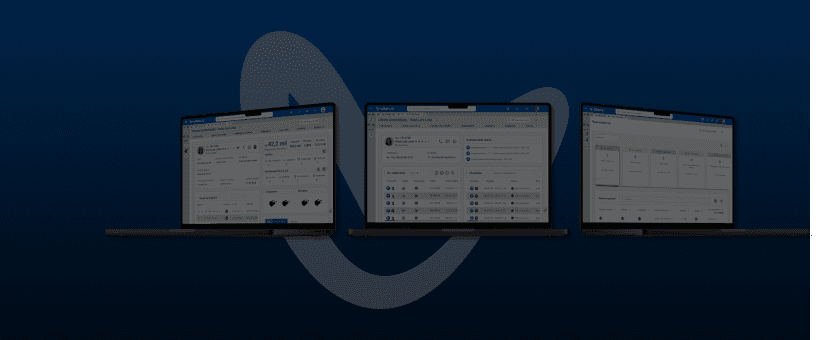
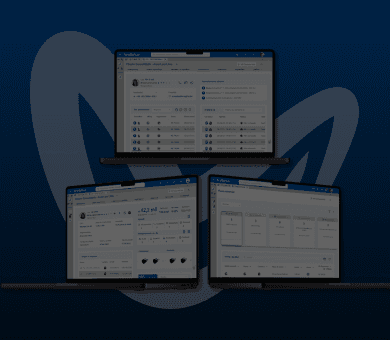
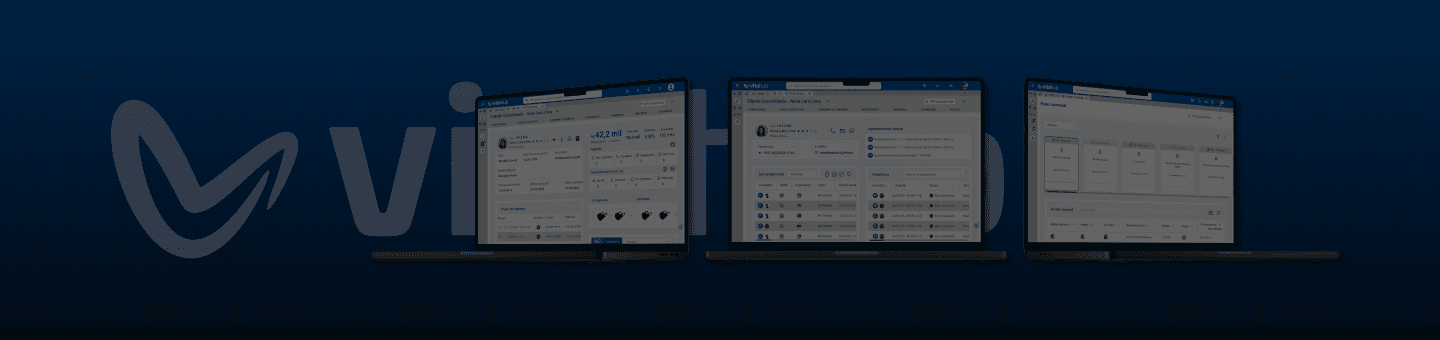
Overview
The challenge
Before becoming the Vitahub we know today, CRM had a different look and a different name: Ocean. Its interface was not user-friendly and not very intuitive for new users. Even after watching tutorial videos, it was difficult to navigate through the system. Although it was a robust CRM, the lack of well-structured documentation made it even more complicated to understand its processes
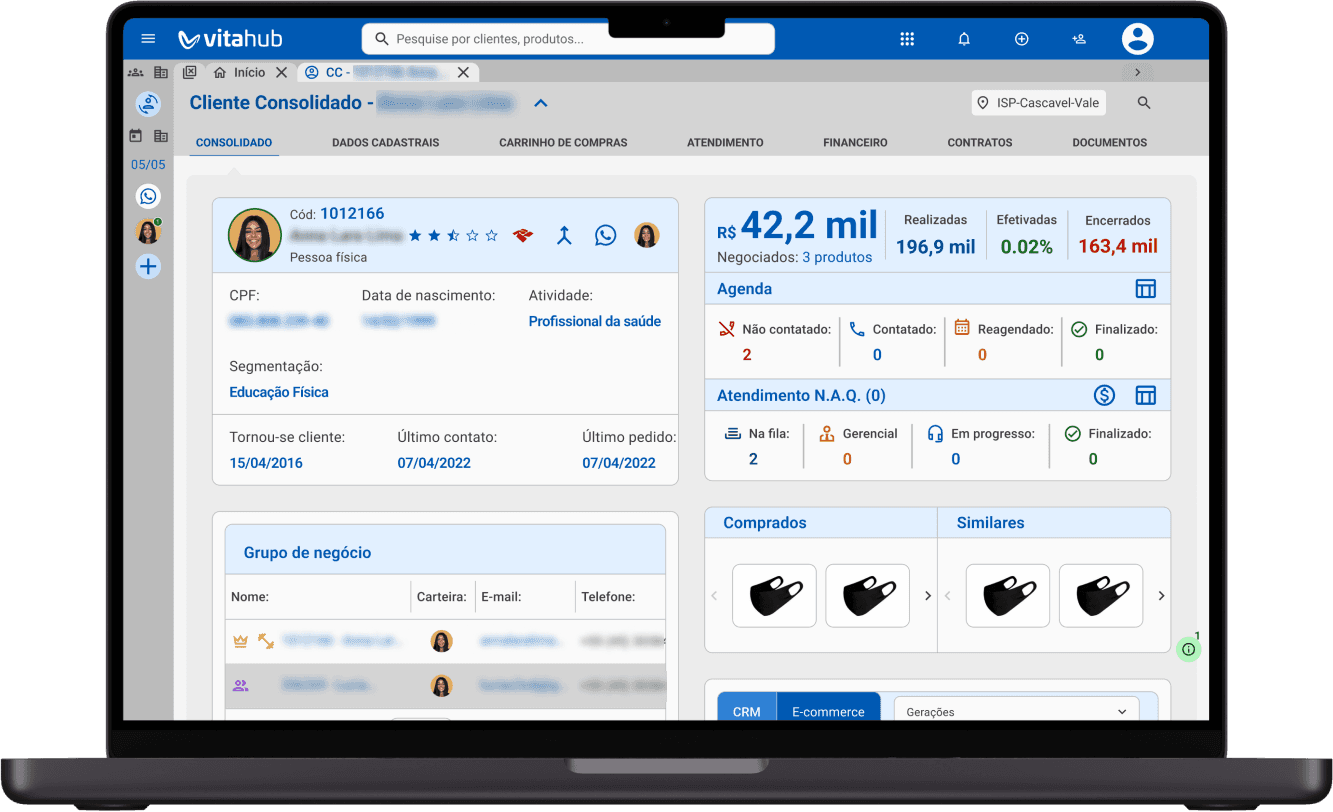
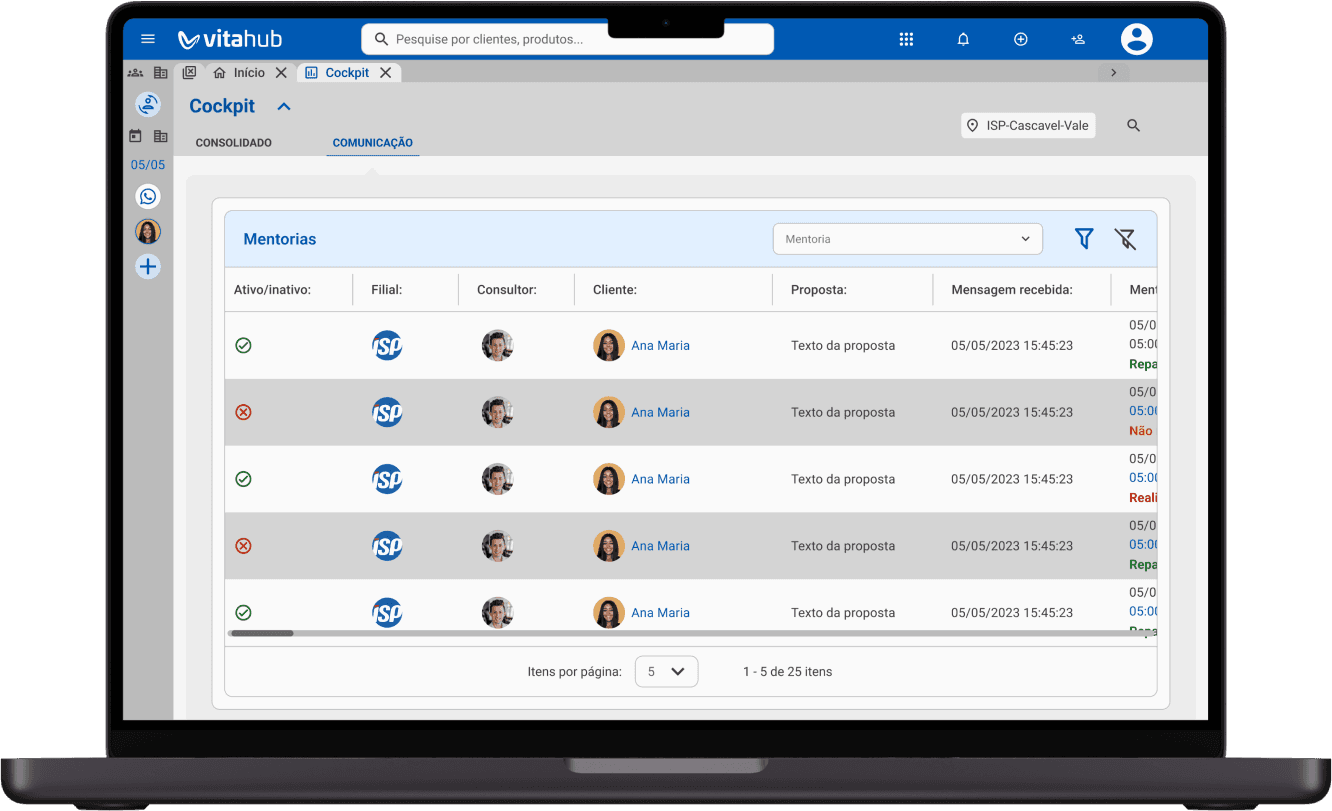
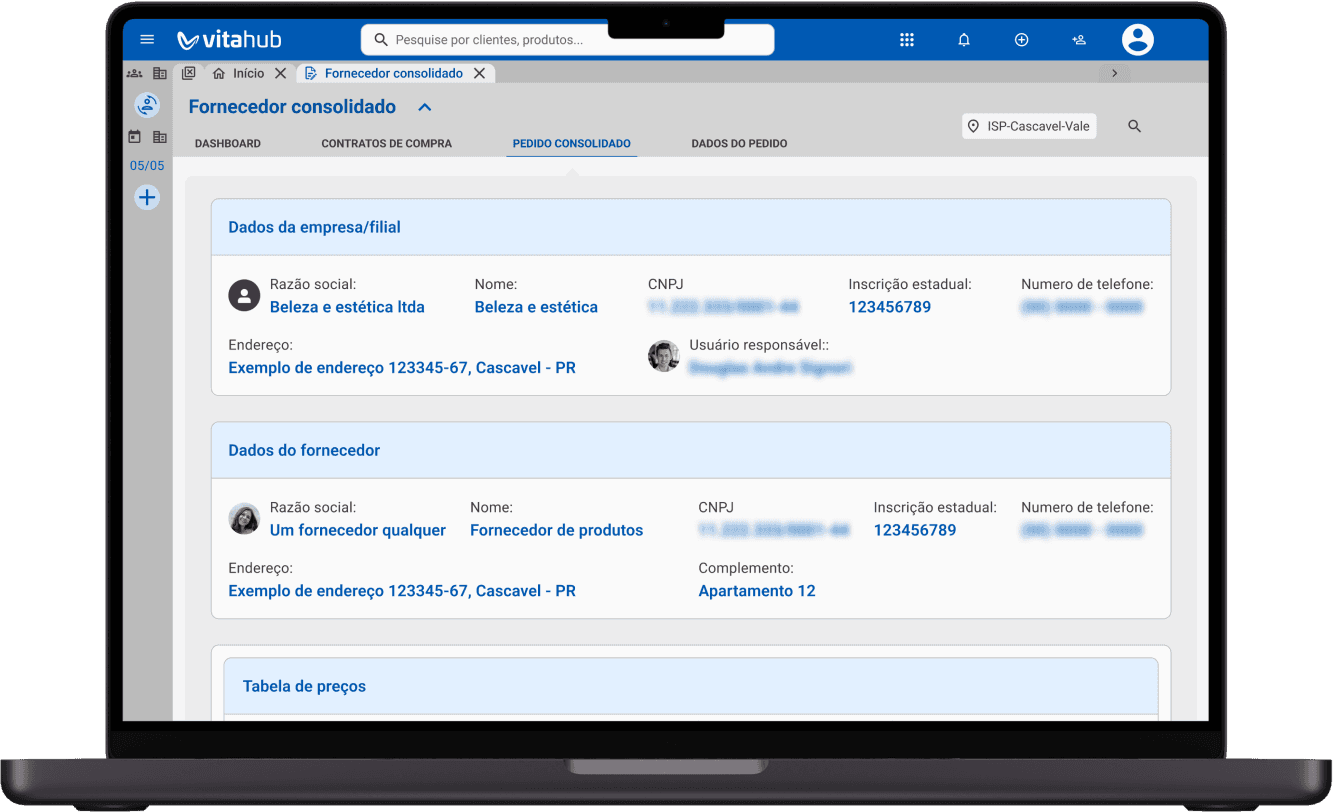
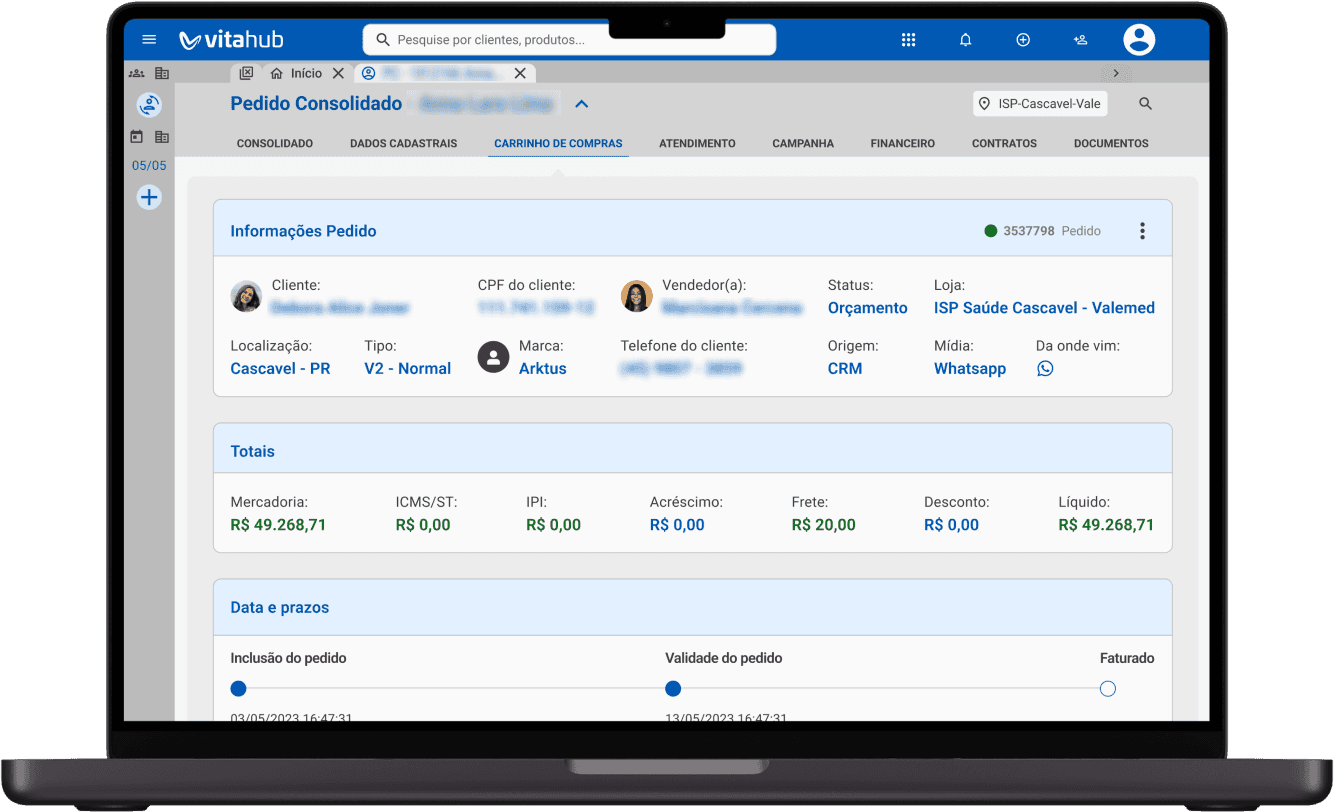
My responsibility as a UX/UI Designer in this project was to restructure the flows and the visual of the system to make it more intuitive and user-friendly. I conducted research to better understand the daily routine of the salespeople and how they used the CRM in their work. In addition, I developed the Design System and the prototypes for the development team to create the new version. Although there was resistance from the users, who were already accustomed to the old version, they gradually began to accept the changes and to comment on the improvement in the organization of the information.
Research
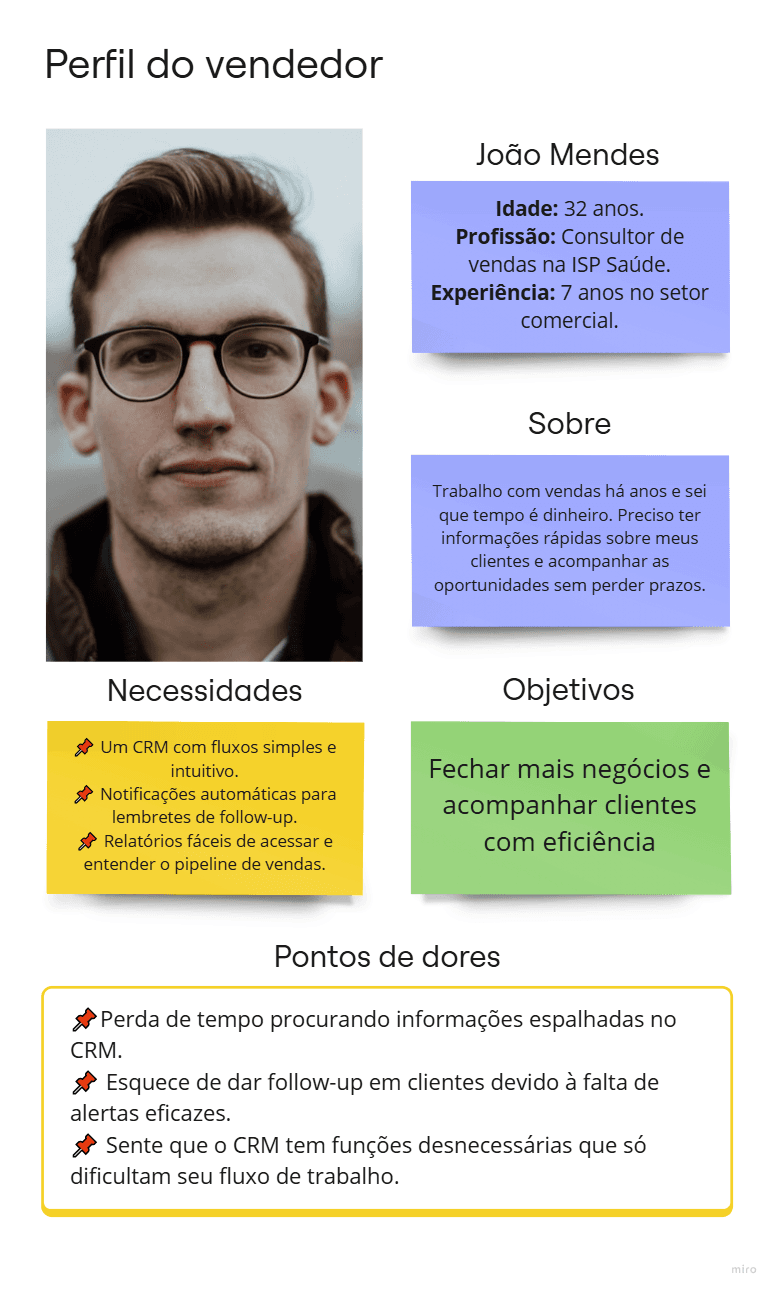
User research is a fundamental step in understanding user behavior, motivations, and needs, using techniques for analyzing information and tasks, observations, and other feedback methodologies.
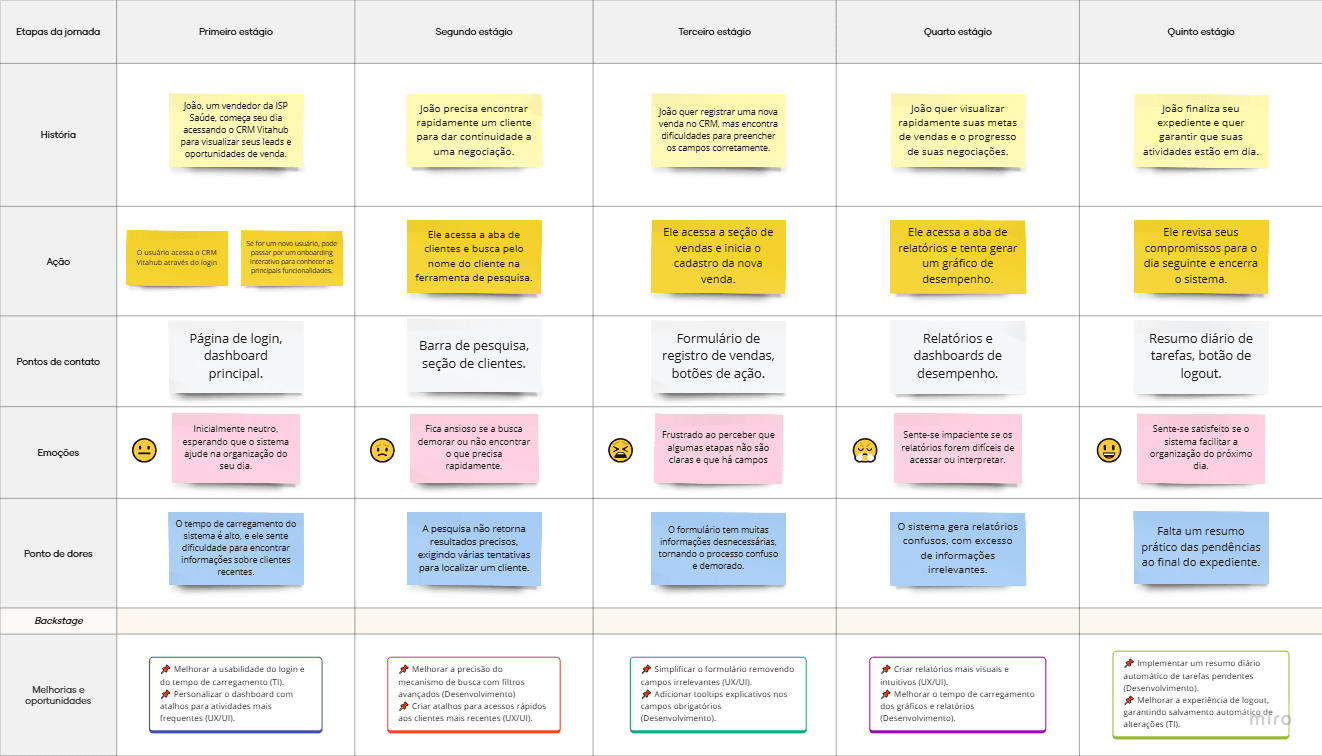
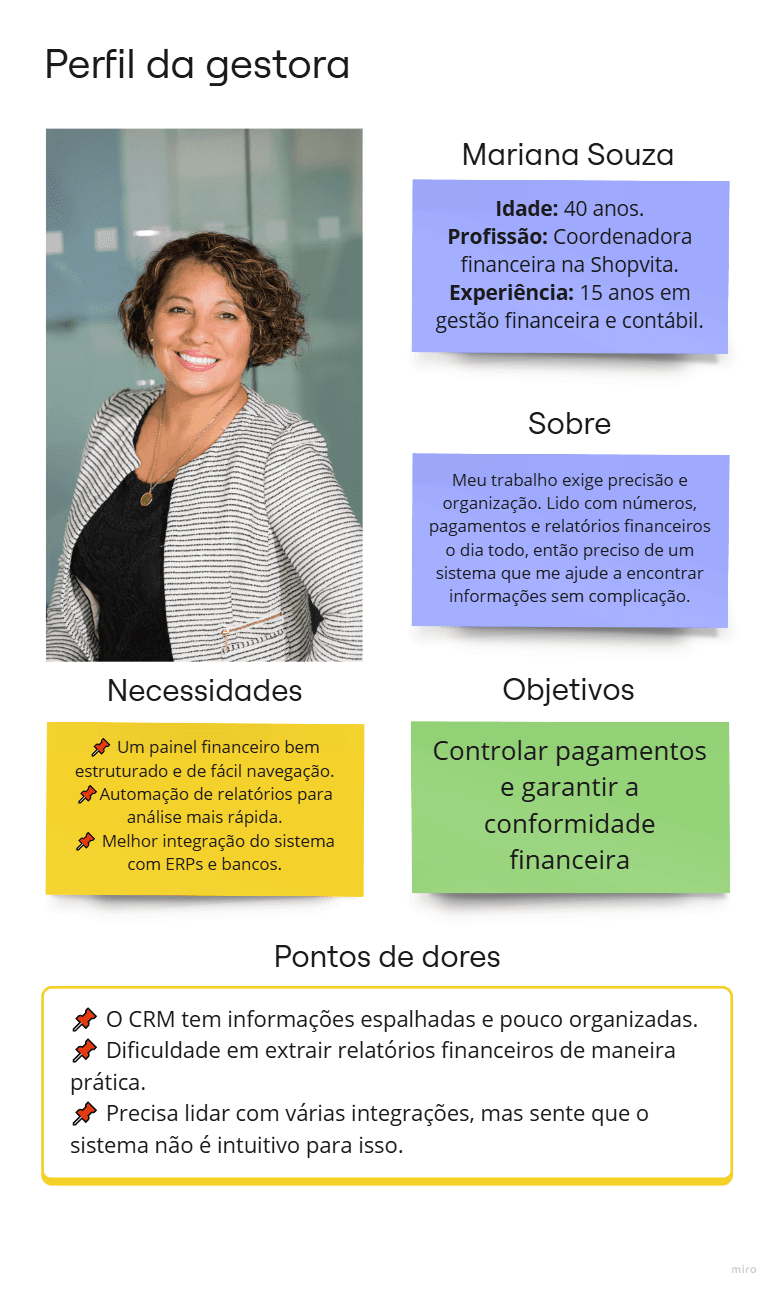
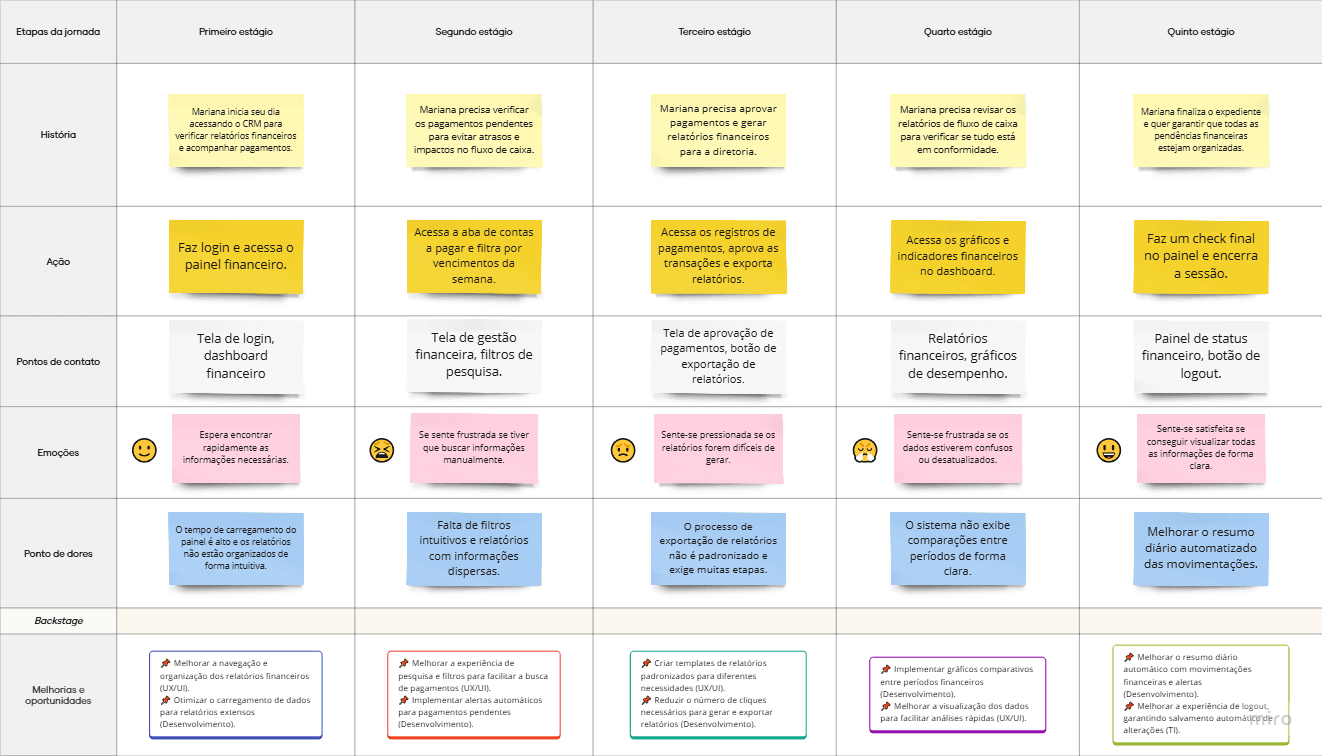
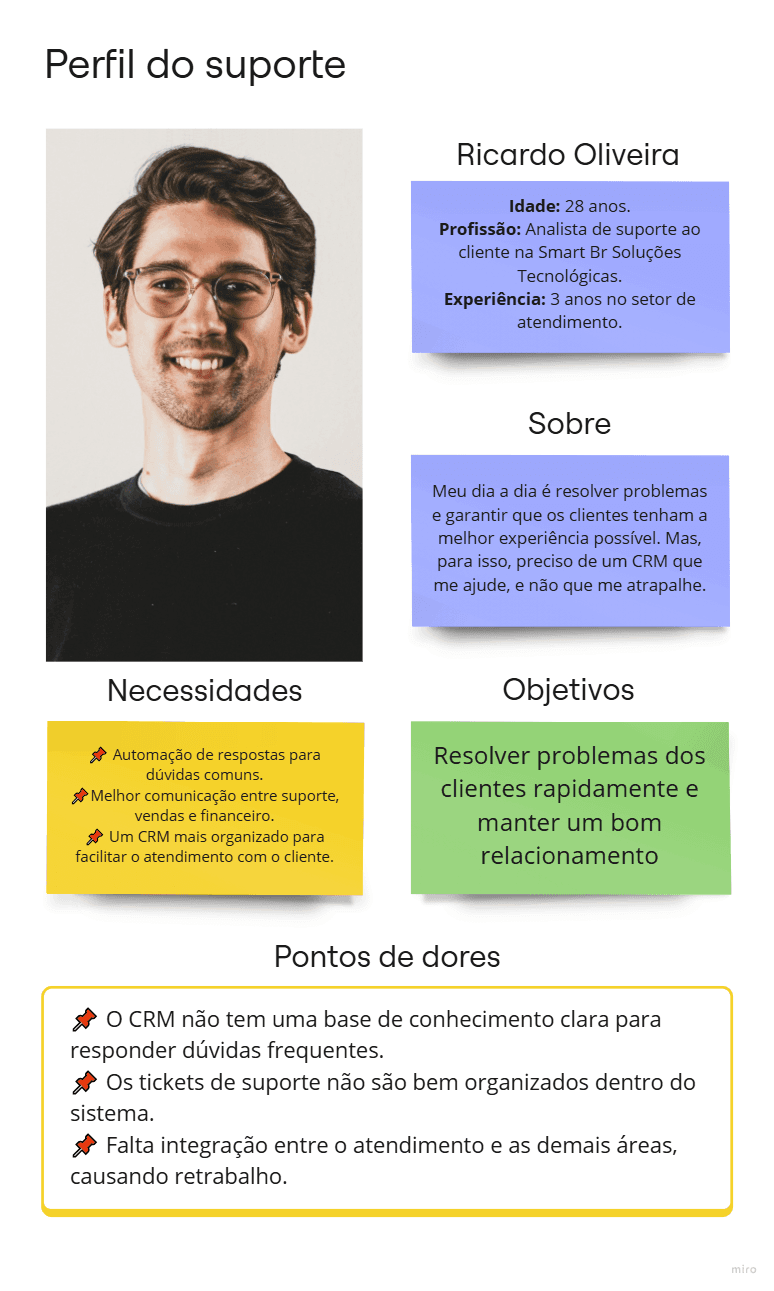
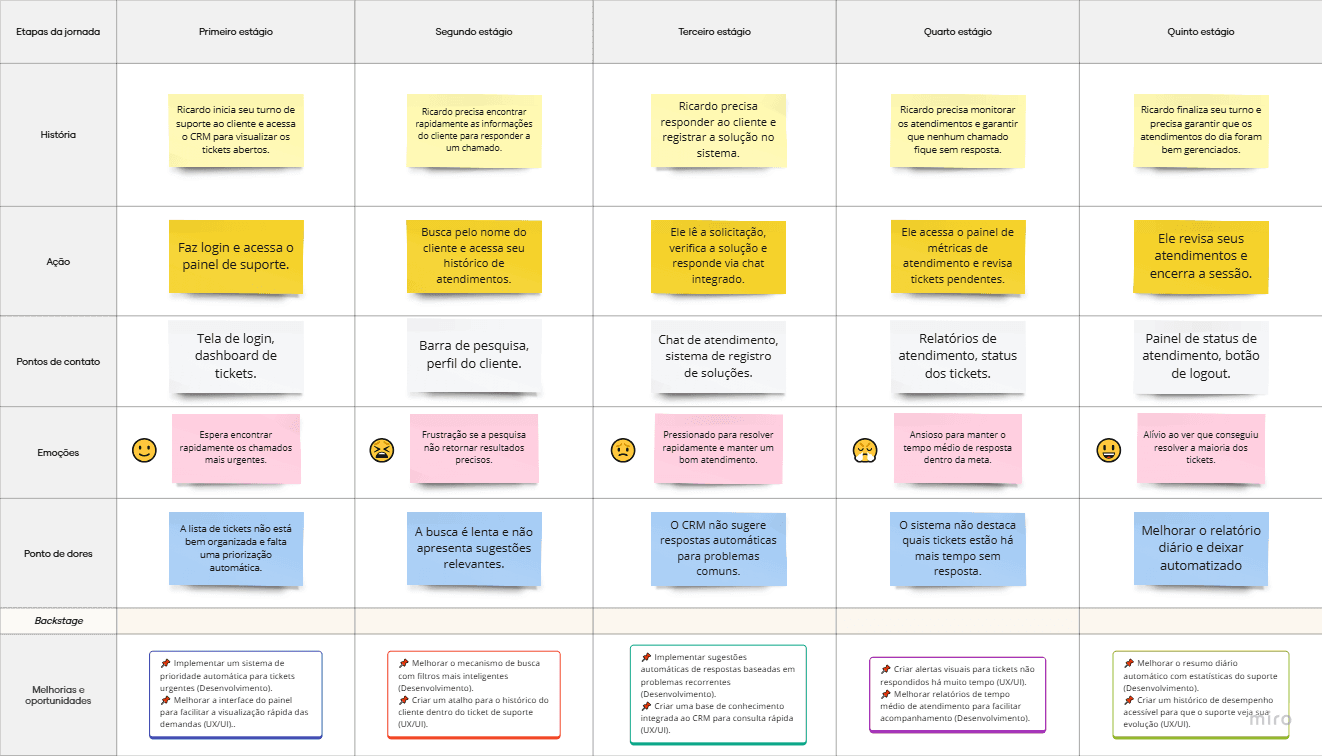
The approaches I used to collect this data were qualitative and quantitative analysis. In the first phase, I conducted interviews with up to 10 ISP Saúde sellers, who reported difficulties in using the system and organizing the displayed information.
During the tests, we discovered that many of the CRM processes were not being used correctly, mainly due to lack of proper structuring. In many cases, users didn't even remember the existence of these processes, due to the lack of good organization in the user flow and journey within the CRM.
The process
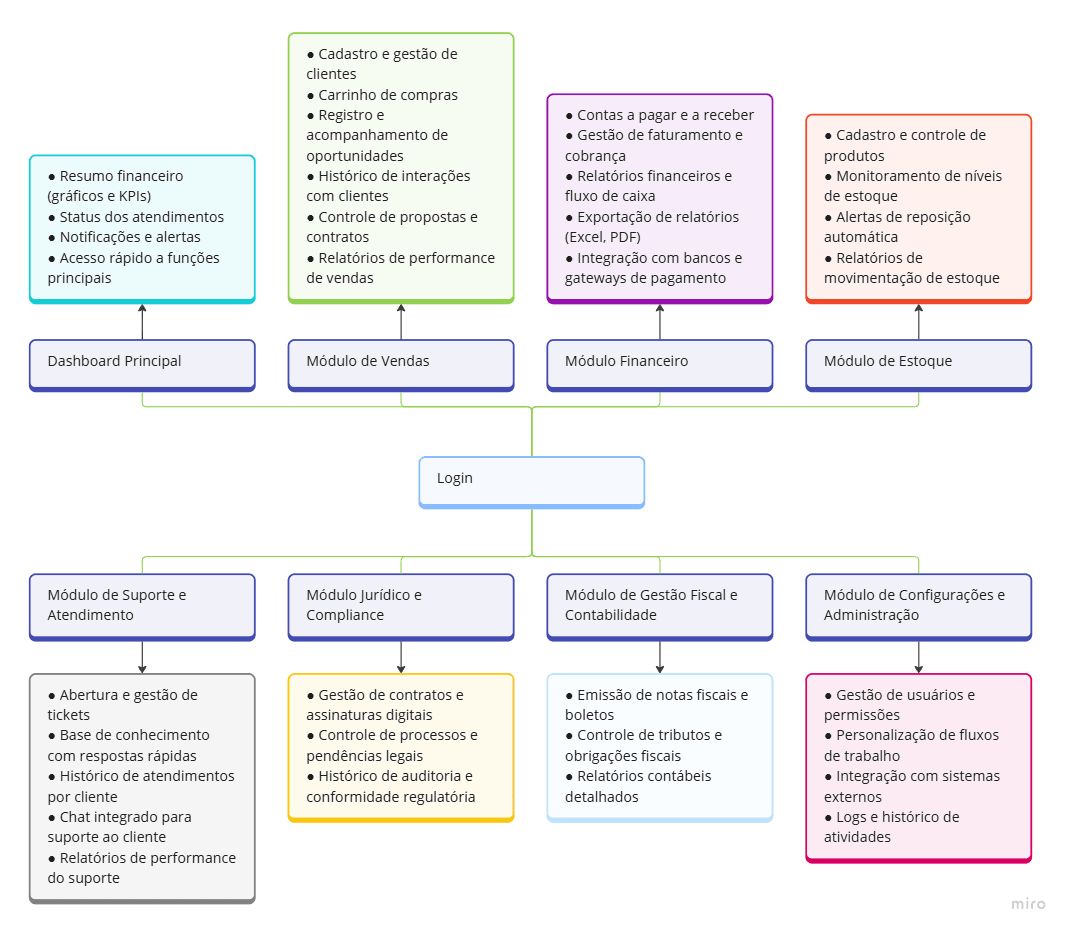
After the user research process, we started creating wireframes to expedite and approve the new system layout before moving on to high-fidelity prototypes. Once the prototypes were approved, I conducted tests with the ISP Saúde store sellers, but the initial approval was low.
Because they were used to the old version, many did not feel comfortable and some even became confused with the new interface. We tried to encourage users to use the new version to get used to it, but many refused and continued using the old layout. After much resistance, these users finally began to adopt the new version.
The process
After the user research process, we started creating wireframes to expedite and approve the new system layout before moving on to high-fidelity prototypes. Once the prototypes were approved, I conducted tests with the ISP Saúde store sellers, but the initial approval was low.
Because they were used to the old version, many did not feel comfortable and some even became confused with the new interface. We tried to encourage users to use the new version to get used to it, but many refused and continued using the old layout. After much resistance, these users finally began to adopt the new version.
The process
After the user research process, we started creating wireframes to expedite and approve the new system layout before moving on to high-fidelity prototypes. Once the prototypes were approved, I conducted tests with the ISP Saúde store sellers, but the initial approval was low.
Because they were used to the old version, many did not feel comfortable and some even became confused with the new interface. We tried to encourage users to use the new version to get used to it, but many refused and continued using the old layout. After much resistance, these users finally began to adopt the new version.
Conclusion
The transformation process of CRM Vitahub, formerly known as Ocean, involved a profound restructuring to make the system more intuitive and user-friendly. The lack of a user-friendly interface and clear documentation made it difficult to use the system, especially for new users. As a UX/UI Designer, my role was crucial in understanding the needs of the salespeople through qualitative and quantitative research, which revealed the main difficulties faced on a daily basis.
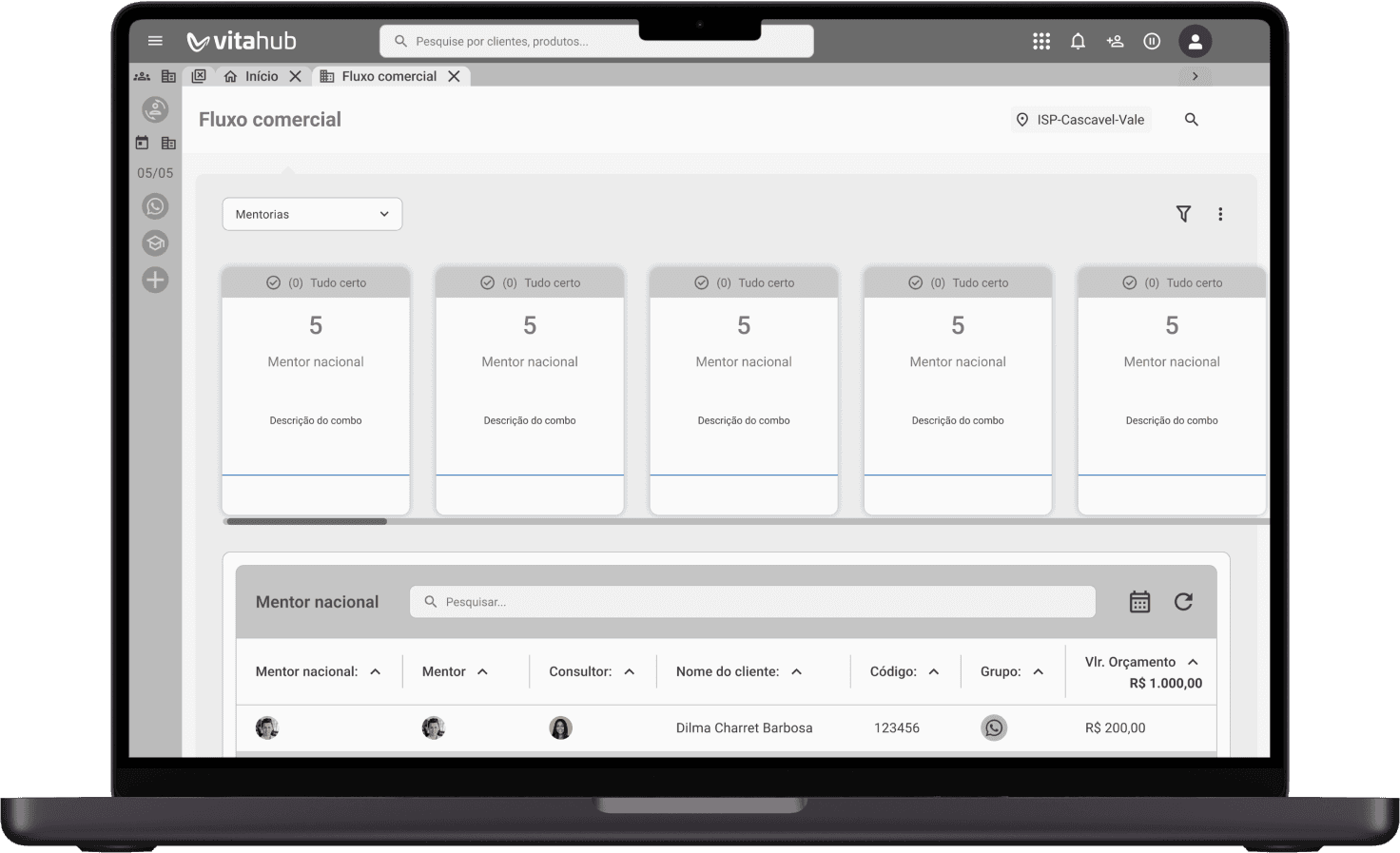
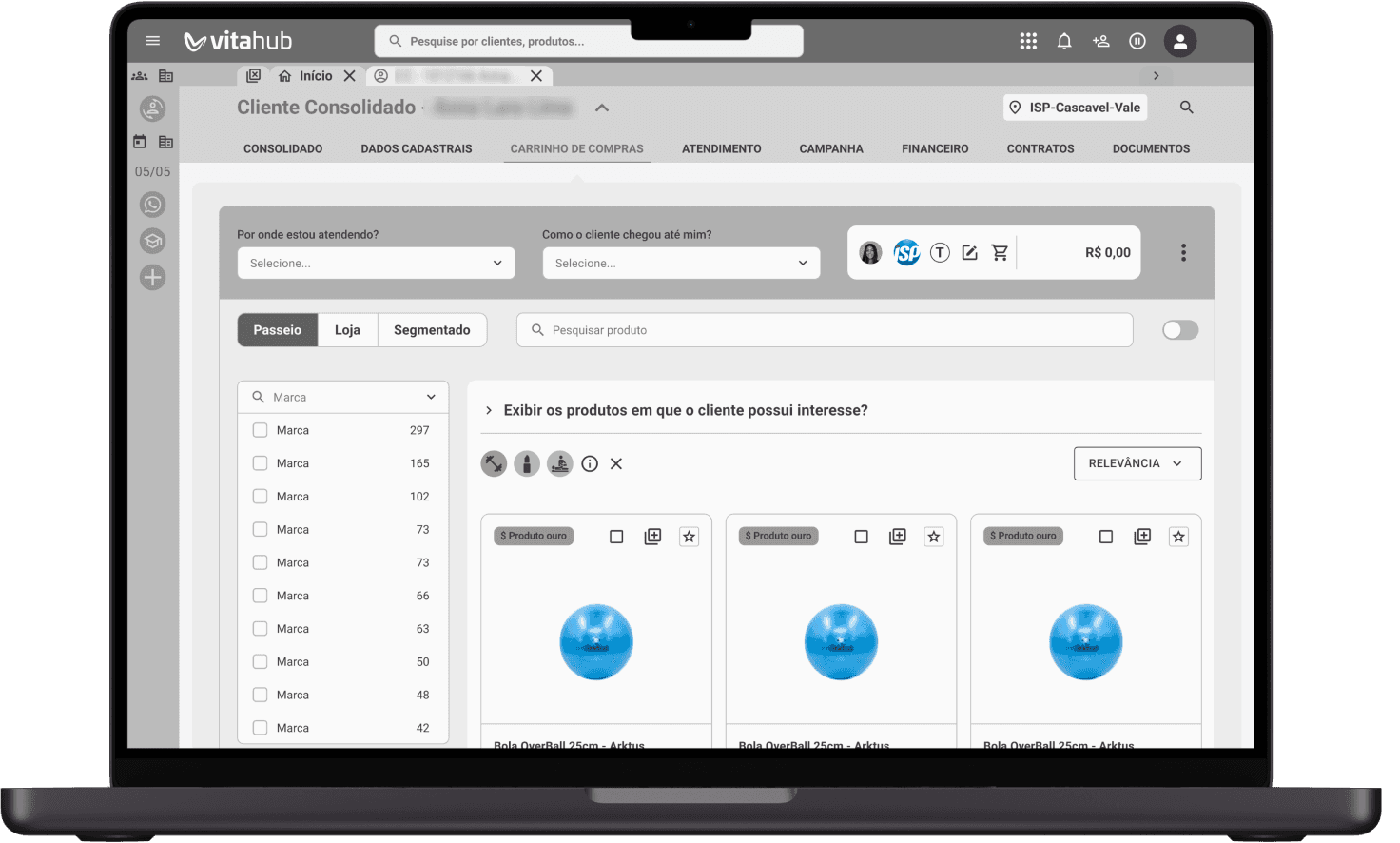
Based on this research, I developed new flows and a more efficient design, starting with wireframes to define the structure and then creating high-fidelity prototypes for testing. Although the change was initially met with resistance, especially from users accustomed to the old version, the new interface eventually gained acceptance and recognition for its better organization and usability, resulting in a 25% increase in user satisfaction.
This experience reinforces the importance of a user-centered approach when redesigning complex systems, ensuring that the solutions meet the real needs of the users and that the changes, no matter how challenging they may be, result in a significant improvement in the customer experience.